Emoji reactions: The new language of digital communication

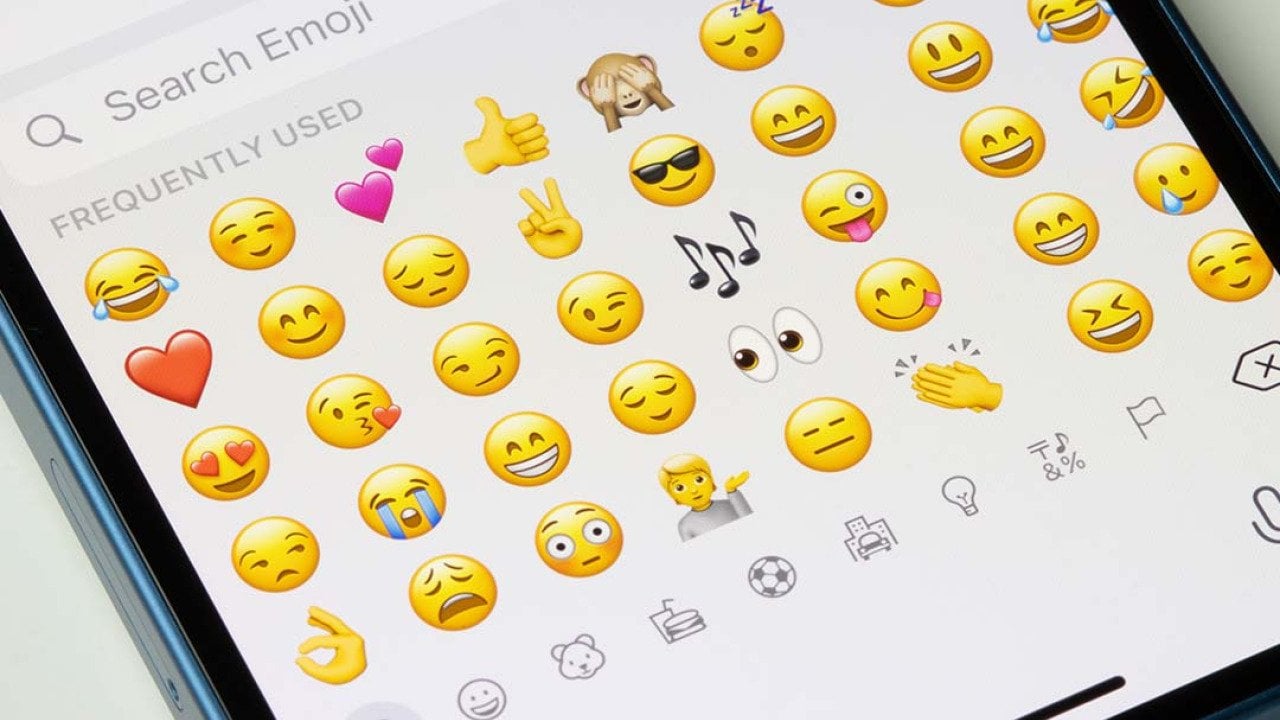
Tada Images // Shutterstock
In face-to-face communication, you’re constantly sending subconscious signals to another person without even realizing it. Whether it’s a nod, facial reactions, or short reaction murmurs, they indicate understanding and active listening. Text messaging and digital communications have developed their own equivalents over the years with the use of emojis. AnyWho put together the top mini responses used over text that have become the digital equivalent of “ok,” symbols that serve as lightweight acknowledgments.
The top 20 message emojis and reactions guide
While you may certainly use different reactions amongst friends as inside jokes, the following 20 message reactions are among the most common:
1. 👍 Thumbs up
Use for: A quick agreement or acknowledgement of a message.
Avoid when: The subject is a sensitive topic that requires a nuanced response and emotional consideration.
Cross-app equivalents: Slack – “+1”, Teams – “👍”, Instagram – “👍”
2. ❤️ Heart/love
Use for: Expressing warmth, support, or gratitude. When speaking with friends, family, or loved ones, this can also be used in a romantic or congratulatory context.
Avoid when: Speaking in a work thread, as it may feel too personal or informal; it can also flatten the tone in conflict.
Cross-app equivalents: Messenger – “❤️”, Slack – “:heart”
3. 😂 Laughing/tears of joy
Use for: Lightening the mood or acknowledging a funny joke that someone shared.
Avoid when: The message isn’t funny or you may accidentally undermine the seriousness of a conversation with its use.
Cross-app equivalents: Slack – “:joy”, Instagram – “😂”
4. 😮 Surprise/wow
Use for: Expressing genuine astonishment or when something is particularly notable.
Avoid when: Only mild news has been conveyed, as it can come across as sarcastic or melodramatic.
Cross-app equivalents: Slack – “:open_mouth”, Instagram – 😮
5. ❓ Question mark
Use for: Prompting clarification or expressing your confusion or curiosity about something.
Avoid when: The question is extremely obvious or it would be trivial to ask for an additional explanation.
Cross-app equivalents: Slack – “:question” or “:custom reaction”, Teams – ❓, Instagram – ❓
6. 👎 Thumbs down
Use for: Expressing your discontent or disapproval of information, typically in an informal thread where dissent would be expected.
Avoid when: There is a sensitive, emotional, or professional topic being discussed, as it may come across as callous or rude.
Cross-app equivalents: Slack – “:-1”, Teams – 👎, Instagram – 👎
7. 🔥 Fire
Use for: Showing strong approval or enthusiasm for something.
Avoid when: Overusing it may reduce its impact. Also avoid if you are in a formal or less serious context.
Cross-app equivalents: Slack – “:custom :fire”, Instagram – 🔥
8. 💯 Hundred points
Use for: Saying someone is absolutely correct or that you are in wholehearted agreement about something.
Avoid when: The context in the conversation requires critique or where your agreement to the situation is more nuanced.
Cross-app equivalents: Slack – “:custom :100”, Instagram – 💯, Messenger – 💯
9. 🙏 Praying hands/Thank you
Use for: Showing gratitude, humility, or saying “please.”
Avoid when: It may come across as passive-aggressive in the conversation, such as in debates or when critiquing someone.
Cross-app equivalents: Slack – “:pray”, Instagram – 🙏, Messenger – 🙏
10. ✅ Check mark
Use for: Marking a task as complete, confirming to someone that you have done something, or signaling “yes.”
Avoid when: Any emotional or intimate thread, as this is treated as a business-like reaction.
Cross-app equivalents: Slack – “:white_check_mark”, Teams – ✅, Instagram – ✅
11. 👏 Clapping hands
Use for: Showing applause, celebrating a major achievement, or acknowledging someone’s effort.
Avoid when: You are reacting to a minor statement, as this can come across as exaggerated.
Cross-app equivalents: Slack – “:clap”, Teams – 👏
12. 🤔 Thinking face
Use for: Signaling you are thinking about something.
Avoid when: Using in a sarcastic context when you may disagree with what someone else is saying.
Cross-app equivalents: Slack – “:thinking_face”
13. 😭 Crying face
Use for: Expressing sad emotional impact or emotional resonance with something; in certain cases, this may be used among friends when something is incredulously funny.
Avoid when: You are in a professional context or if using it would exaggerate or manipulate someone’s tone.
Cross-app equivalents: Slack – “:sob”, Instagram – 😢
14. 💀 Skull
Use for: Slang to say something is funny.
Avoid when: The context is literal, such as if someone has passed away.
Cross-app equivalents: Slack – “:skull”
15. 🎉 Party popper
Use for: Celebrations, milestones, or major achievements that someone has informed you of.
Avoid when: The acknowledgment is only minor or the topic of conversation is serious.
Cross-app equivalents: Slack – “:tada”, Teams – 🎊
16. 🤷 Shrugging
Use for: Showing indifference to something or saying “I don’t know.”
Avoid when: It may come across as passive or noncommittal when a discussion needs to be had.
Cross-app equivalents: Slack – “:shrug”
17. 😠 Angry face
Use for: Demonstrating your anger, frustration, or general disapproval at something which evokes strong emotion.
Avoid when: Conflicts require diplomacy, rather than an emotional reaction.
Cross-app equivalents: Slack – “:angry”, Teams – 😠 (still)
18. 🫠 Melting face
Use for: Showing you are overwhelmed, cringing, or embarrassed by something someone has sent.
Avoid when: You are interacting with audiences who haven’t yet used this newer emoji or if you’re unsure if the audience will understand the meaning.
Cross-app equivalents: N/A
19. 💪 Flexed bicep
Use for: Showing strength, encouragement, or a general theme of support for someone.
Avoid when: It may come across as aggressive or macho in softer emotional contexts.
Cross-app equivalents: Slack – “:muscle”
20. 🙌 Raising hands
Use for: Saying “Yay,” “Hoorah,” or an emphatic “Yes.”
Avoid when: The topic of conversation is serious, as this can come across as sarcastic.
Cross-app equivalents: Slack – “:raised_hands”
Use the right reaction for your needs
For most, a one-tap reaction will be sufficient to acknowledge a message. However, when a message involves heavy emotion, conflict, various nuances, or a need for clarity, it’s always better to ensure you take the time for a full reply. Use the above emoji toolkit as a way to learn when to tap and when not to so that you can master the art of quick digital communication.
This story was produced by AnyWho and reviewed and distributed by Stacker.


