Big changes in 2026 traffic laws: What drivers should know nationwide

Fabio Principe // Shutterstock
Traffic laws in the U.S. are changing in 2026. States are adding new ways to catch people breaking laws, increasing fines, and putting in place rules to make driving safer. While not every new rule directly affects car insurance, certain violations, such as speeding and DUI-related offenses, often contribute to higher premiums. It’s not one big national change. Instead, it’s a trend toward using cameras and other tech to enforce laws, stopping people from driving distracted, and making sure bad drivers face bigger consequences.
Cheap Insurance looks at these new laws to show you how they’ll affect your daily drive and your car insurance. Not all of the new laws will have an impact on your insurance, but things like speeding and driving under the influence will definitely increase your premiums. The Advocates for Highway and Auto Safety went so far as to publish a report in 2026 regarding the states and their implementation of these new traffic laws and areas where they are coming up short.
National Traffic Law Trends in 2026
1. Hands-Free Driving Laws Are More Strictly Enforced
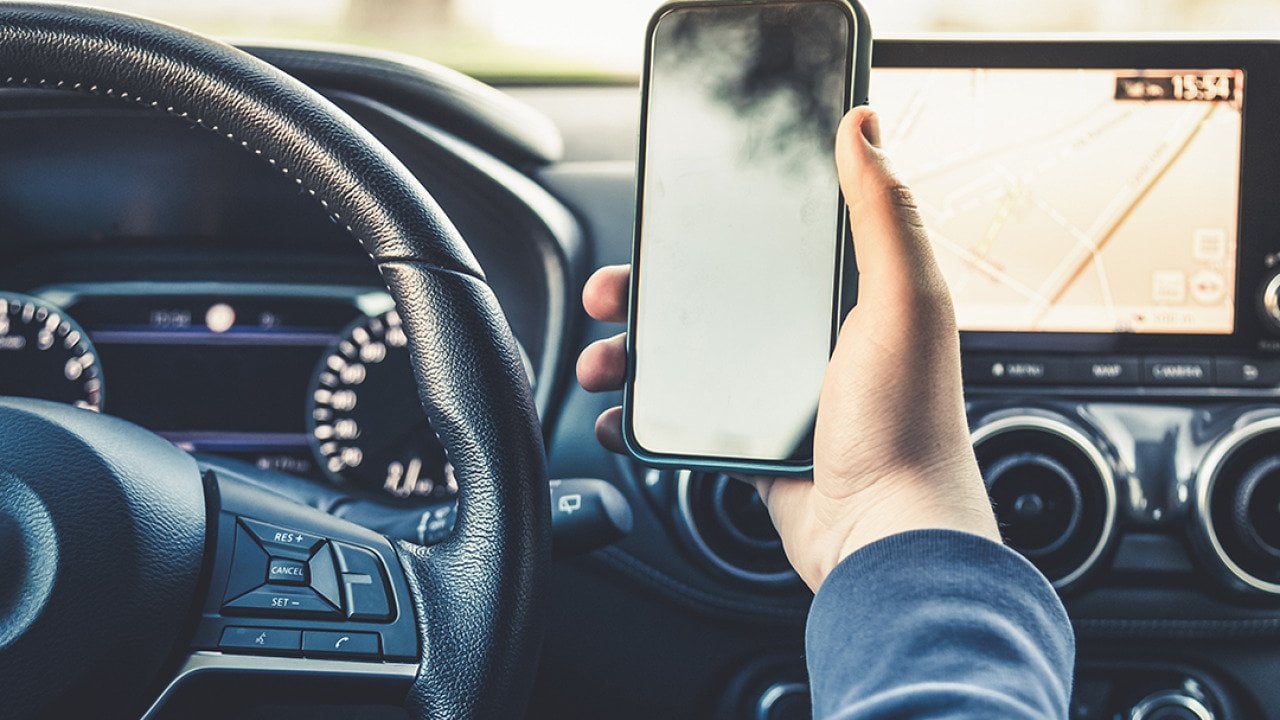
By 2026, the grace periods for hands-free laws have largely expired. Previously, the states practiced secondary enforcement, where a driver was stopped for a different traffic violation. Today, these states have moved toward primary enforcement. This falls in line with federal studies, which suggest that the growth of deliveries and rideshare services as a result of technology has raised the use of phones while driving.
- Insurance Impact: Distracted-driving violations now have a heavier weight in points in many states, which directly affects how car insurance companies judge a driver’s risk profile.
2. Automated Speed and Red-Light Camera Expansion
Being caught by cameras for speeding or running a red light becomes the norm rather than the exception in the current era, particularly around schools and hotspots where high tendencies to occur. In the year 2026, if you get caught via camera in your car, regardless of who was driving, the ticket goes to whoever owns the car. Research shows that there are fewer red light runners, as well as fatal crashes, where cameras are installed.
Insurance Institute for Highway Safety research on automated enforcement in 2023 showed that the implementation of well-publicized cameras helped lower the rate of red-light running and fatal crashes.
3. Tougher DUI and High-Risk Penalties
Some states changed their DUI statutes in 2026 regarding expanded ignition interlock license requirements and “red-stripe” licenses for hardcore offenders. Convictions for DUI continue to be a top reason for high automobile premiums.
Recent State-Specific Law Changes to Watch
The legal landscape varies significantly by geography. Whether you are navigating the strict pilot programs in California, Texas, or New York, your driving record is now more visible to insurers than ever before.
In the West, Arizona, Nevada, and New Mexico have increased penalties for high-speed corridor violations. Drivers in Washington, Oregon, and Colorado must also adapt to new rules regarding lane safety for stationary vehicles. Similarly, Utah, Idaho, Montana, and Wyoming have tightened regulations around impaired driving.
Moving into the Midwest, Illinois, Indiana, and Michigan have expanded work-zone camera enforcement. Drivers in Ohio, Pennsylvania, Wisconsin, and Minnesota will notice stricter “move over” laws that now include all vehicles with hazard lights. States like Missouri, Iowa, Kansas, Nebraska, North Dakota, and South Dakota have shifted focus toward seatbelt compliance and child passenger safety.
In the South, Florida, Georgia, and North Carolina are leading the way in red-light camera integration. Tennessee, South Carolina, Alabama, Mississippi, and Louisiana have updated their point assessment systems for moving violations. Meanwhile, Kentucky, Arkansas, Oklahoma, and West Virginia are refining their “hand-held” mobile phone bans to eliminate previous loopholes.
In the Northeast, drivers in New Jersey, Massachusetts, and Connecticut face high fines for school zone speeding violations. Virginia, Maryland, Delaware, and Rhode Island have implemented new visibility standards for license plates to assist automated systems. Further north, New Hampshire, Maine, and Vermont have updated their e-bike and micromobility regulations. Finally, in noncontiguous states Alaska and Hawai’i, new safety-belt and DUI statutes are now in full effect.
Emerging Trends Gaining Attention in 2026
- Autonomous Vehicle (AV) Accountability: States such as California have become accountable for traffic tickets issued to self-driving vehicles, in addition to new regulations involving communication with first response teams.
- Micromobility Regulation: Owing to their increasing use on roads alongside traditional automobiles, stricter regulations related to age constraints and helmet use are being enforced on e-bikes.
- Hardship Programs: Some states, including Minnesota, are introducing parking ticket relief programs to ensure that lower-income drivers do not lose vehicle access over unpaid administrative fines.
How 2026 Traffic Law Changes Affect Auto Insurance Rates
Not every traffic law change leads to an auto insurance rate increase. However, these updates may influence a few things.
- The Likelihood of Receiving a Citation: Automated cameras increase the frequency of detected speeding.
- Points on a Driving Record: Changes in how states report camera tickets can affect your risk score.
- Policy Eligibility: Critical infractions such as DUI or speeding in the vicinity of workplaces might cause an automobile insurance firm not to renew your policy.
One of the most critical changes that traffic law is experiencing in 2026 is not the imposition of new traffic law provisions but the enforcement of already existing traffic law provisions. Technology and automated traffic law enforcement have now become the norm. Knowledge about these developments will allow you to minimize the occurrence of traffic law violations and ensure that your car insurance rate remains within your control.
This story was produced by CheapInsurance.com and reviewed and distributed by Stacker.


